Fellow Projects

Ideas Turned Into Action.

Explore projects created by SGAP fellows and see how student teams researched real problems, designed solutions, and created meaningful impact.

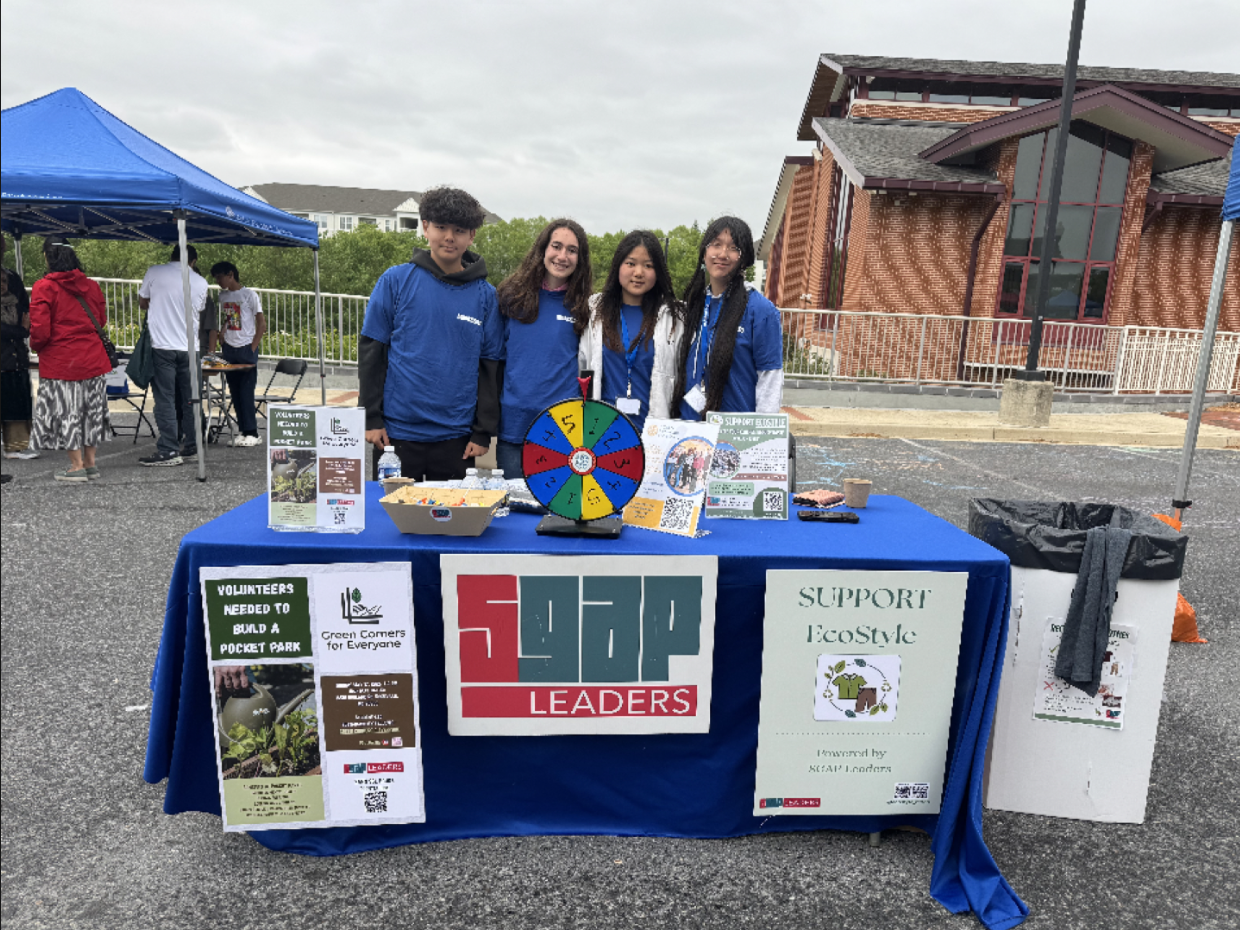
GreenFest Photo
Why projects matter

Learning Becomes More Powerful When Students Use It

Fellows do more than attend workshops. They apply what they learn by working with a team to understand a real problem, create a response, and explain the results.

  • Choose an issue that matters to the team.
  • Research the problem using reliable information.
  • Work together to create a useful solution.
  • Present the project and measure its impact.

“Replace this with a quote from a fellow explaining what they learned while creating their project.”

— Fellow Name, Program Year
Featured project

Project Spotlight

Use this section for one of the strongest or most complete fellow projects.

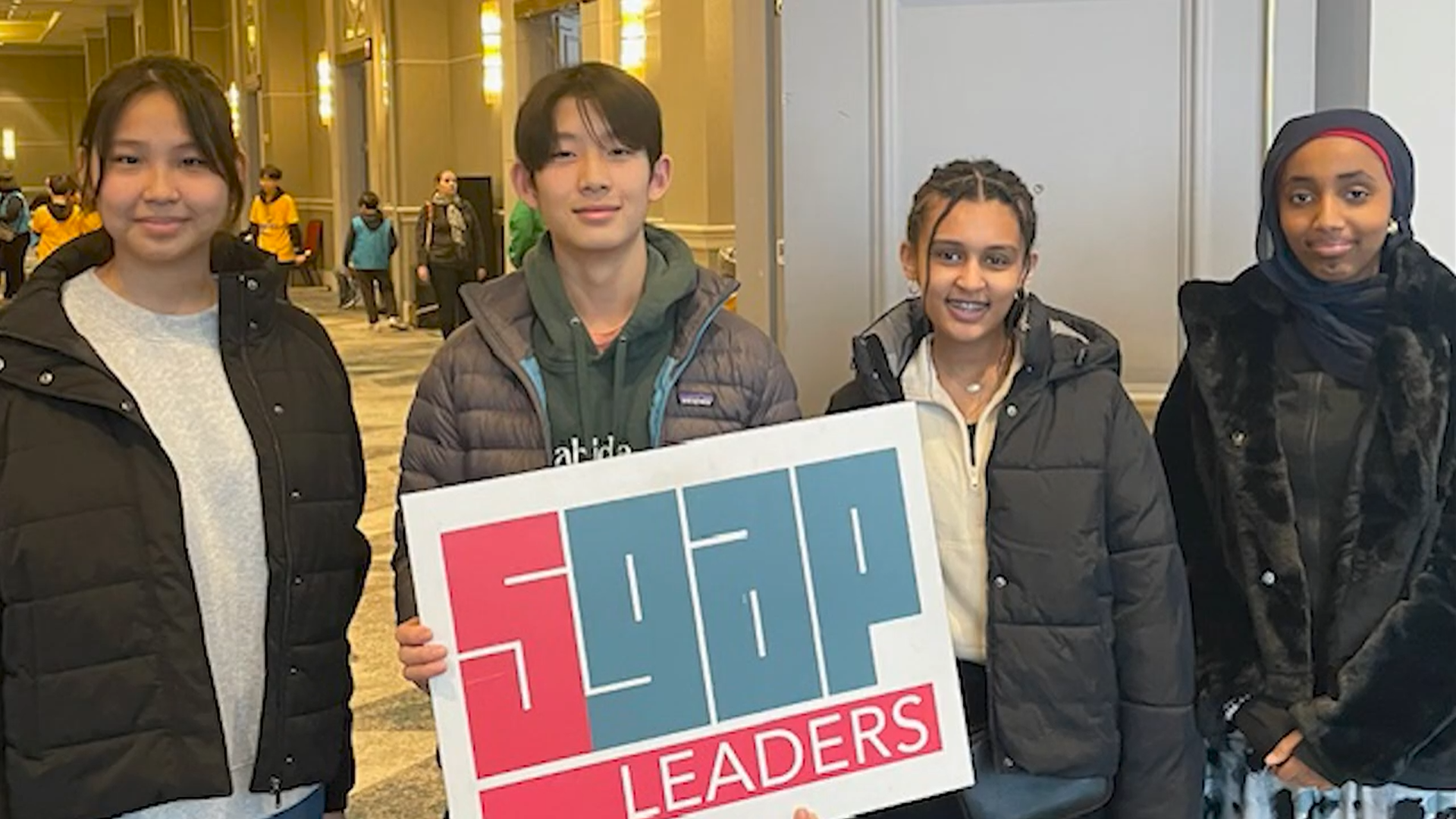
Sgap Leaders Group Photo; 4 people
Featured Project

GreenWare

Electronic Waste 2024-2025

The problem: E-waste is discarded electronics such as phones, computers, and appliances. In 2022, about 62 million tons of e-waste were produced worldwide, and improper disposal can cause health and environmental problems.

The response: They collected used electronics from places like schools and took them to a recycling facility. The electronics were wiped, repaired or reused when possible, and donated to organizations, while awareness campaigns taught people about proper e-waste disposal.

The impact: They collected 600+ electronic devices in over 10 sites

Behind the work

How Fellows Build a Project

Show future fellows that a project is created through a series of manageable steps.

Choose a Problem

Identify an issue the team genuinely cares about and wants to understand.

Research It

Learn from reliable sources, mentors, organizations, and people affected by the issue.

Create a Response

Design a campaign, event, product, resource, or other solution.

Measure and Share

Track what happened, present the results, and explain what the team learned.

Clothing and Sustainability

EcoStyle

2025-26 6 Team Members Targeted Schools within Montgomery County

Problem

Unwanted clothing often ends up in landfills, causing pollution and methane emissions.

Action

EcoStyle collects unwanted clothes through collection boxes and sustainably recycles them through GreenDrop.

Impact

Reduces textile waste, promotes sustainable recycling, and raises awareness about fast fashion

Technology and Sustainibility

Green Corners for Everyone

Problem

Communities have neglected urban spaces and limited access to nature.

Action

Green Corners for everyone transformed these spaces using native plants and community involvement.

Impact

They created greener, more biodiverse spaces and gives communities better access to nature.

XX Projects completed
XX Topics addressed
XX+ People reached
XX Community partners

What Would You Build?

Join a future cohort and turn an issue you care about into a real project.